Heeeellloo, we are Skrekkøgle. Scroll please.
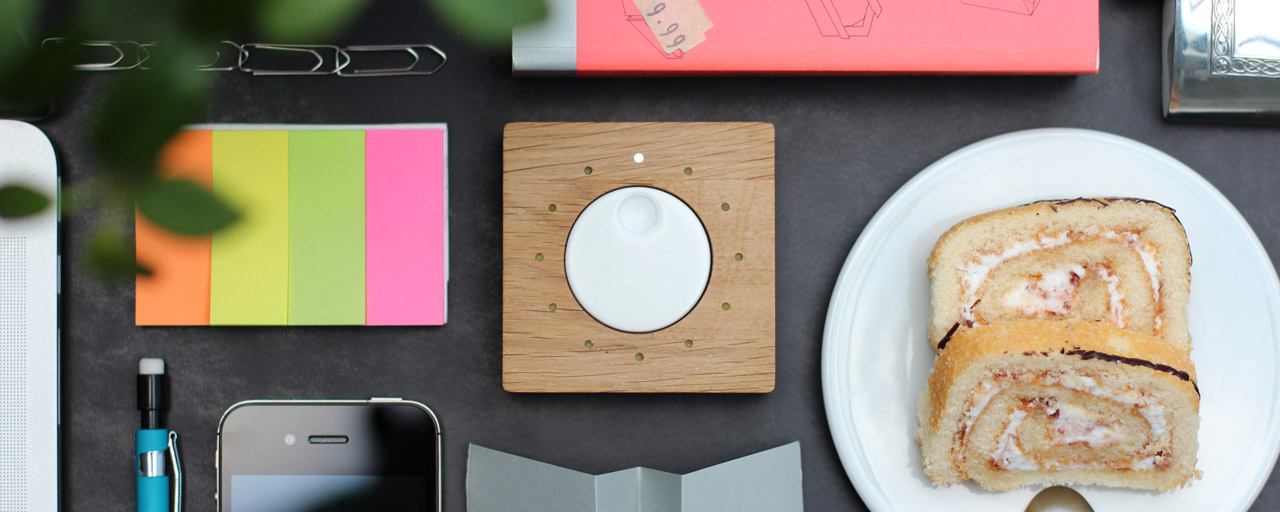
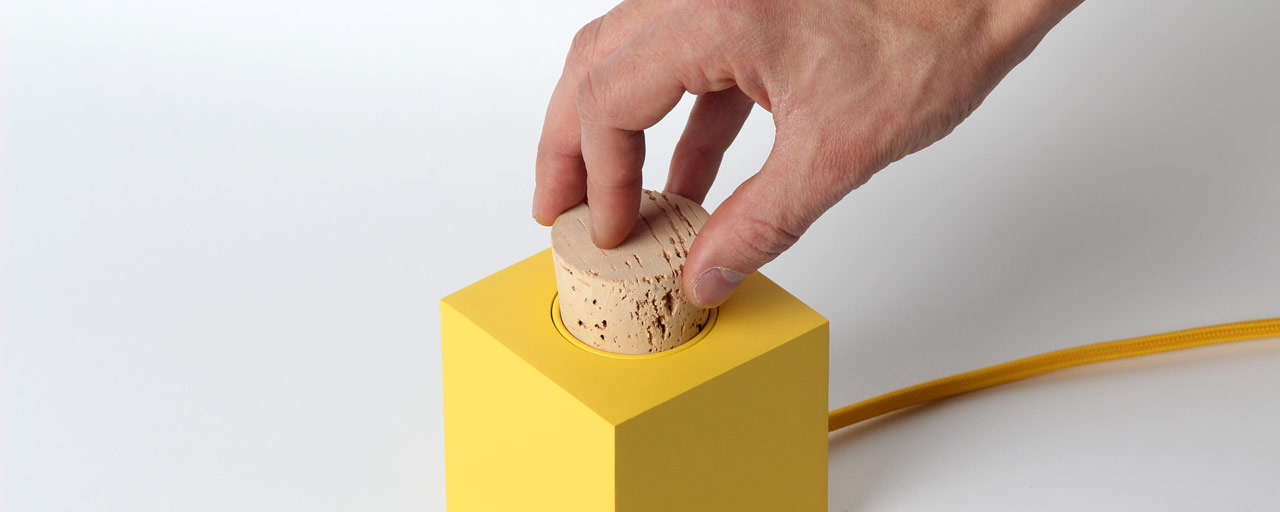
"Plugg" is a prototype DAB radio, investigating physical and metaphorical interaction with electronic devices.
A cork fits nicely into the hole where the radio's speaker sits beneath. By pushing the cork into this hole, the radio turns off...
...and by removing it, the radio turns itself on again.
Watch this clip to see it in action!
Several techniques were used in order to make the prototype work - among them 3d printing, laser cutting and hacking electronics.
The hardest part was really to make the on/off mechanism work - protip; don't combine magnetic switches with speakers (ran into this quite late in the process *x* )
The radio is just one example of this type of physical interaction, which we are compelled to continue working with. Check out more hi-res images on Flickr!
NXT PRJCT PLZ
With our (first) 3d printer we made an open-source-hardware-hack-kindle-back-cover.
Every teeny tiny bit of the original cover was measured, and extensive testing was necessary to make the replica fit tightly and safely; creating a template file other people can build upon.
We illustrated this with 4 different covers; the first is based on this tweet...
...and the idea is that for every book you finish, you peel off one of the circles, representing that book.
For example, the six dots towards the bottom represents Hugh Howey's "Wool" series.
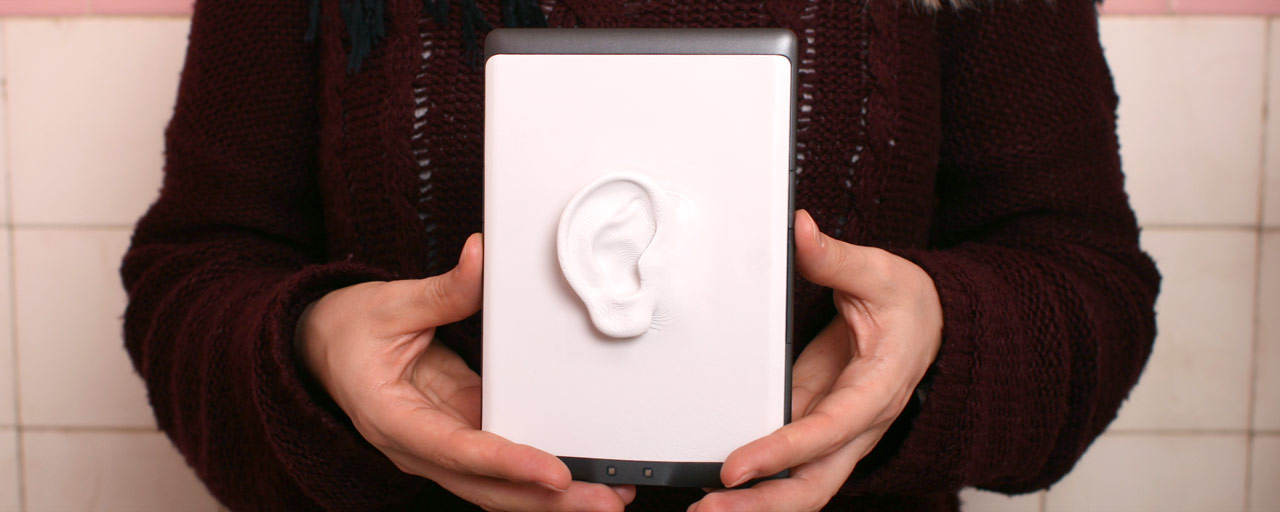
Second one improves the grip on the reader by adding a human ear (by Rubinstu) to the back of the reader.
Third is a typographic experiment with an 'If found…' text.
And fourth includes clasps for a moleskin notebook and a pencil.
Enough examples! Get the platform file on Thigiverse - Check out the How To - Read longer blogpost - More images on Flickr - And plz give us a heads up if you make your own!
We did dis lil webpage for a small film production company called 'Rollo Tomasi'.
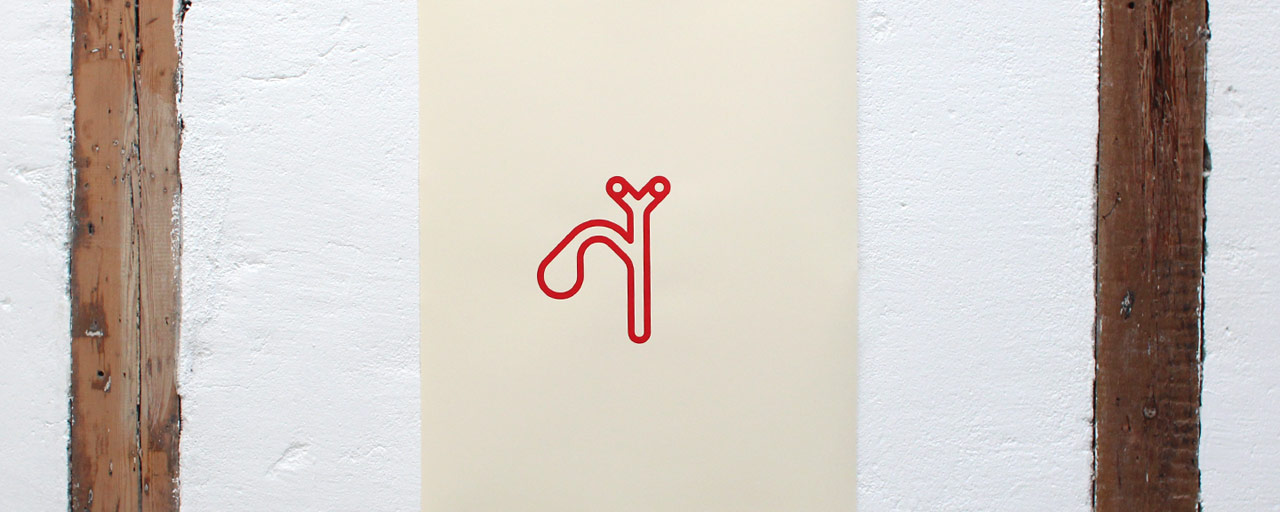
We also made the logo (they're so cool for being on board with that one). Here's a bit of the sketch prosess
The site is in Norwegian, and g00gle translation somehow breaks the CSS, but here's the link anyway!
Eye Track Three Dee is a conceptual utilization of the eye tracking technology to augment 3d space on a screen.
We think this could be really neat! You be like: 'Daaaaa, with glasses then?' We be like: 'No dude, cross our hearts'.
Video is worth more than a thousand images / a million words.
This is a projection installation we did for Borealis 2012, an alternative music festival in Bergen.
The crowd could press three buttons- each randomizing a word on the wall. Btw, the keyword for the festival was 'protest'.
We built a console that would be positioned in the middle of this hall...
...and hacked a keyboard connected to big glowing buttons.
Mmmm, big buttons.
Silly and sometimes naughty sentences were made, people danced and drank beer.
Watch video NOW NOW NOW! (face stuff next)
OK! It's quickly getting simpler analyzing webcam input in realtime, such as movement patterns, shape recognition and face detection.
Playing with ideas around this, we have been interested in translating the data these methods can supply in subtle ways. Especially concerning avatars.
Possible use in text chat could be interesting:
So would an alternative to video chat:
Lastly, using snapshot avatars in SMS:
Taking for granted a tool that makes it easy to create custom avatars, we did some sketches where they appear slightly more alive than static images.
There are aspects of these videos that could be useful, especially concerning privacy and connectivity issues. But you just want to see the next project, right?
Right. This was a curatorial project, designing and setting up an exhibition for the Design Research Center launch at AHO.
Research leads to vast amounts of academic papers, and we wanted to not simplify or misinterpret anything. And so we tapered the room with posters containing the full articles previously published at AHO. Yup, that's a lot of text!
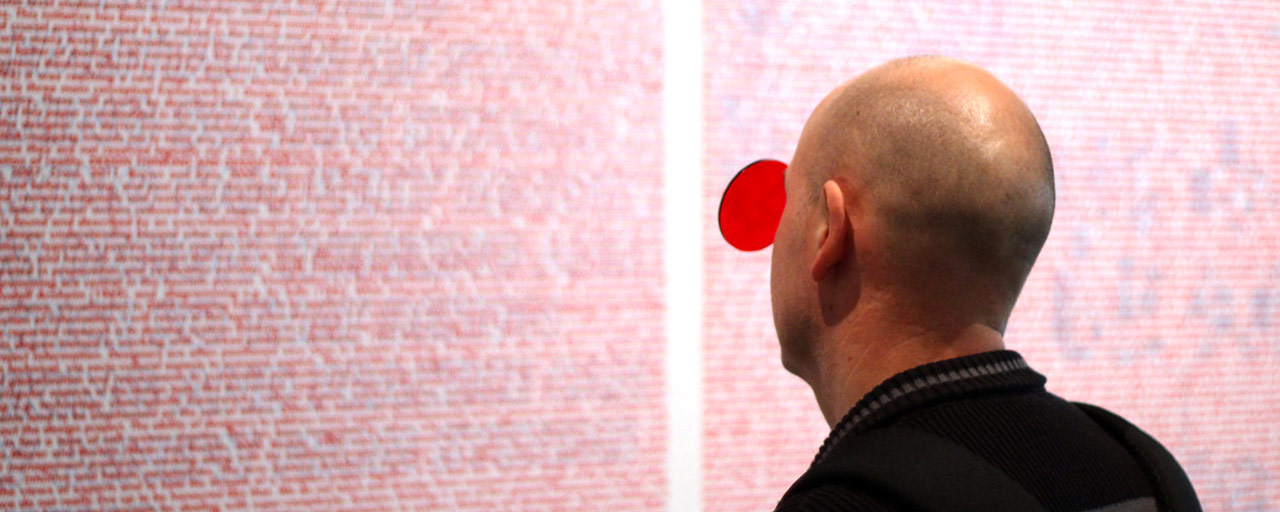
But behind the massive text blocks were secrets; summaries and illustrations you'd only see clearly if you wore special glasses.
Behold the Essenceotrons!
By wearing the Essenceotrons visitors filtered out the wishy-washy intellectual stuff, and the cyan visuals behind popped out as if black.
Like bugs.
We got the idea from those colored old-school 3d glasses, and went on duplicating the effect. It seemed people attending the exhibition appreciated it, as many of the Essenceotrons were stolen.
To those of you who did steal a pair: keep them! They're yours!
To those of you who didn't: scroll to get to the next project.
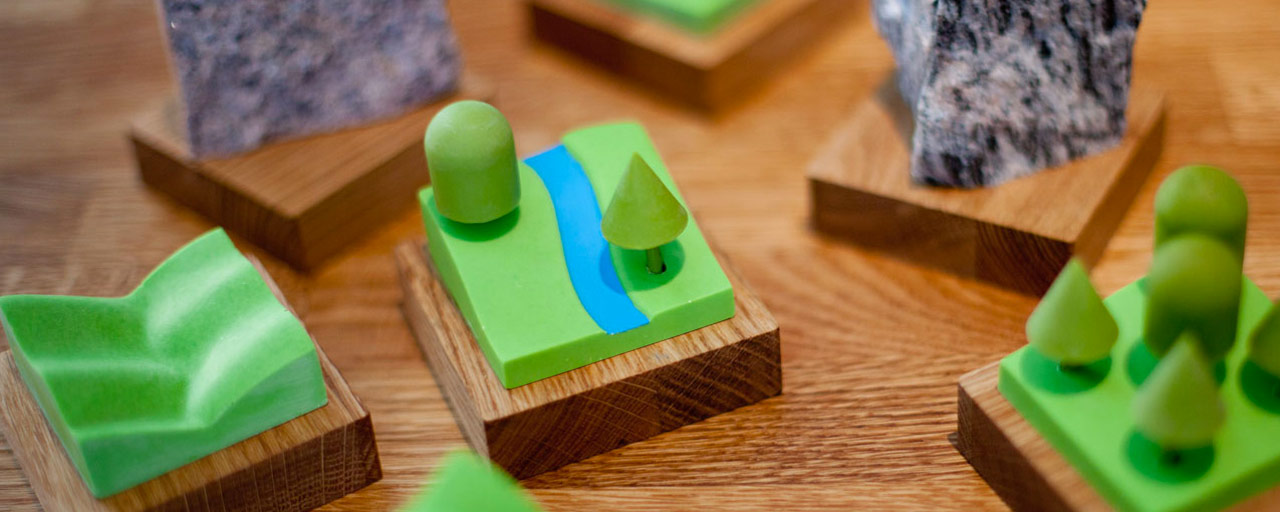
Commissioned by and done with our genius friends at Voy, we at Skrekkøgle were responsible for designing models and graphics.
The goal was to teach kids about landscapes and types of rock, using games with simplified 3d visuals.
The games were enabled with small objects with an RFID chip inside, representing what's shown onscreen.
As we had to produce a bunch of these objects, we decided to make molding shapes for PUR from sintered models in silicone.
PUR11, a polyurethane version, is durable enough to survive kids' play. So we started molding.
With the result turning out successful, we assembled it all and attached the RFID chips.
It will be up at the museum for at least a year, with an expected 60 000 school kids visiting!
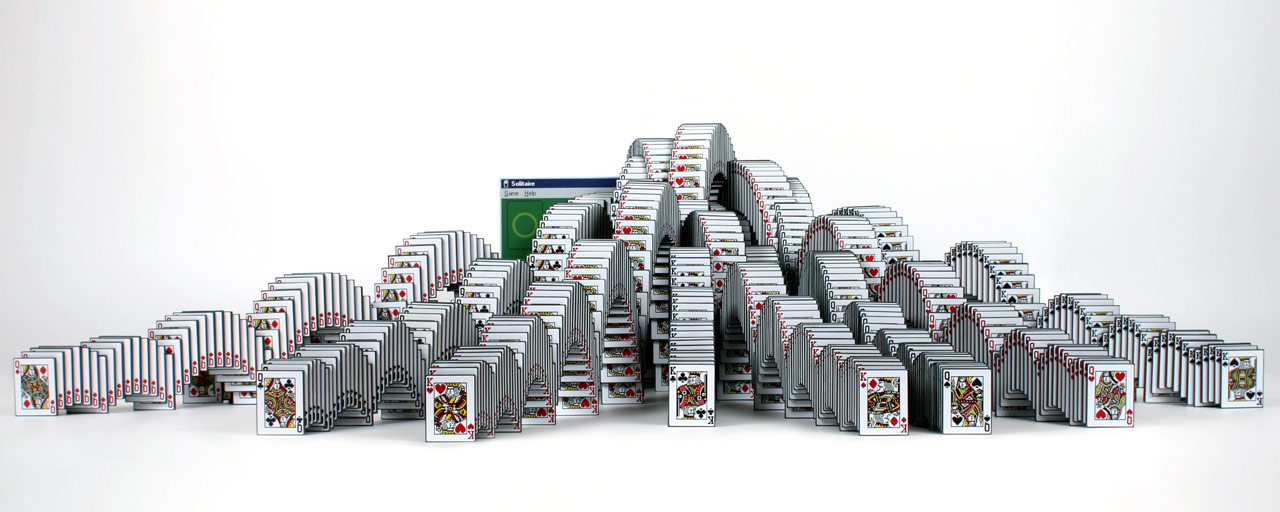
-because we love beating the game, watching all the cards hop around. Hop hop hop. It's the type of idea you would go 'It sounds fun, but that's ALOTTA work!'
Over one thousand cards were cut out on black foam boards...
...then customized and taped together.
Tadah! The sculpture measures approximately 150 x 70 x 40 cm.
Hop hop hop.
You might go 'It comes across a bit different from the screen version, it doesn't look quite right'
Well, even though one card's array should have a higher z-value (think css) than the previous array, the physical world only displays one z-value for each element in all arrays.
So instead, we hierarchized the card's arrays by prioritizing the lowest card values in the intersections.
Got it? Neat!
Hop hop hop. Next project (put your sad face on)
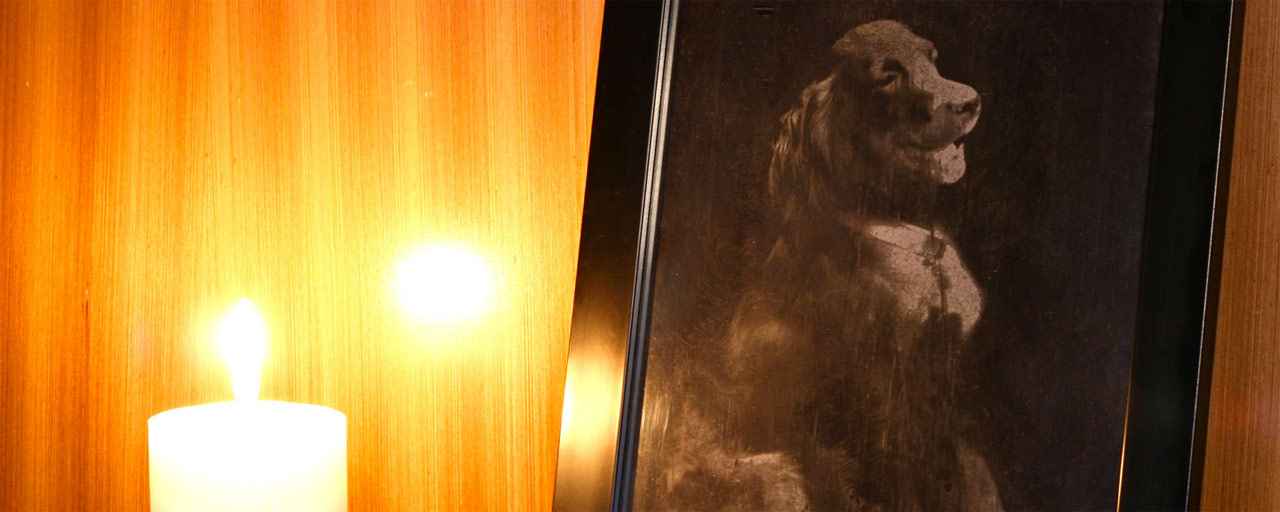
Instead of burying the urn with Susies remains, we decided to create a memorial item: a portrait printed with her ashes.
We rebuilt a printer to be able to use the ashes as printing material.
It was necessary to replace the ink; this way we could stick the remains to a dark background canvas.
Testing was performed with a variety of different materials, among them chocolate powder.
After repeated trial and error, we gained the necessary gear and experience to finalize: Susies remains were used to depict her portrait.
Now the portrait containing parts of Susies body resides on a shelf in our friends house, as an alternative to burying and hiding away what's left. Next project.
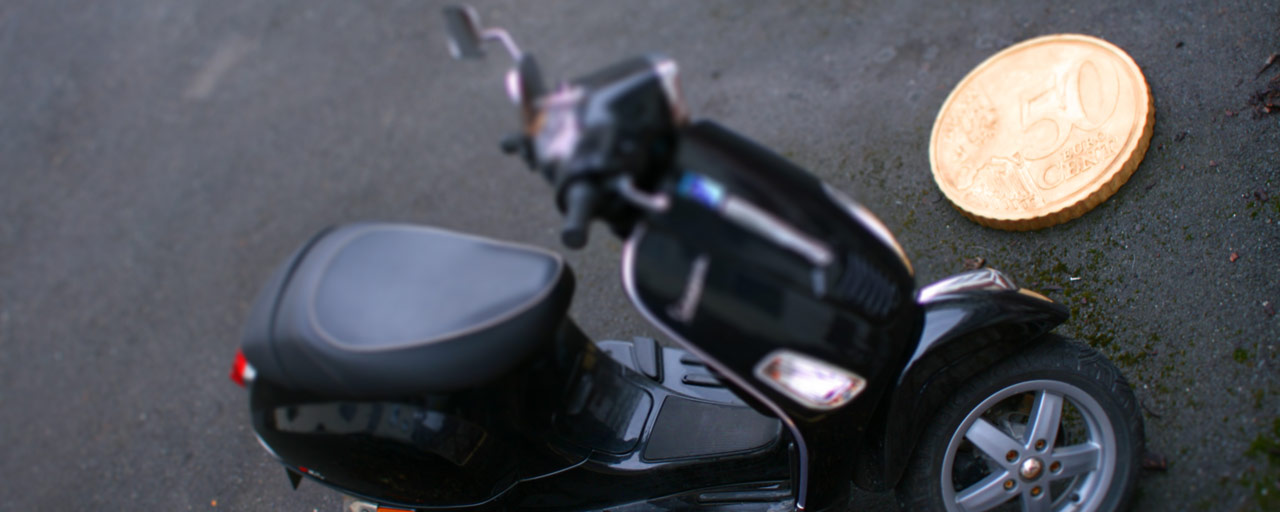
This is our Really Big Coin. It is big because it makes other things look small when photographed next to it.
Actually, it is a 20:1 replica of the EUR 50-cent, you see it being milled out here.
We needed to do quite a bit of sanding, lacquering and smudging to obtain the desired look.
And some climbing to get into required shooting position (you need to get up real high to take good pictures).
The result is a short series of photographs, attempting to visually scale down real-sized objects.
Such as a scooter.
And a sportscar.
BOOM! That's it! If you'd like to try it yourself, you can now download the coin from our webshop. Or just check out our netlog.